
Trauma-Informed THERAPY for WOMEN
Online therapy for women feeling stuck in patterns they can’t seem to break, such as; people-pleasing, overthinking and self-doubt.
BABCP-accredited psychotherapist with over 15 years' experience in mental health, offering personalised therapy that helps you move beyond understanding your patterns to actually feeling and doing things differently.

You might be very self-aware. Maybe you’ve read the books, listened to the podcasts, perhaps even had therapy before — and you understand a lot about why you feel or behave the way you do.
But understanding something rationally, making sense of it and feeling able to do it differently aren’t always the same thing.
You might know you’re allowed to say no and still feel unable to say it.
Know something is someone else’s responsibility and still rush to the rescue.
Rationally know you’re capable or that it’s ‘ok’ to not be completely perfect and still second-guess yourself, over-think, over-prepare or worry you’ve got something wrong.
Therapy with me involves understanding why these patterns developed, what might still be keeping them going, and helping you begin to respond differently - even when knowing what to do hasn't been enough.

You don’t need to identify as “traumatised” to benefit from trauma-informed therapy
Trauma-informed therapy doesn’t mean assuming that everything you struggle with is caused by trauma.
It means being curious about the experiences, relationships and environments that have shaped how you learnt to think, feel, relate and protect yourself — while also paying attention to what is happening in your life now.
Sometimes an old fear, belief or learned response is being activated. Sometimes a current relationship, workplace or situation genuinely makes it harder to speak up, set a boundary, make a mistake or trust yourself.
Often, both matter.
Being trauma-informed also means working collaboratively, respecting your pace and recognising the importance of feeling safe, heard and understood throughout therapy.
Together, we'll explore what makes your responses understandable, what's keeping certain patterns going and what might help you begin to make changes.
WHO I WORK WITH

You might come to therapy because…
You replay conversations, overthink what you've said and worry about how you came across.
You find saying no or setting boundaries difficult, even when you know you need to.
You feel responsible for other people's emotions and find yourself keeping the peace or putting their needs before your own.
You're so used to adapting to others that you're not always sure what you actually want or need.
You question whether you're being "too sensitive", difficult or unreasonable.
You're capable and conscientious, but struggle with self-doubt, perfectionism or fear of getting things wrong.
You mask, shape-shift or hide parts of yourself depending on who you're with.
Past relationships or experiences have affected your confidence, self-worth or ability to trust yourself.
You're exhausted from constantly monitoring, analysing or managing yourself and everyone around you.
Some of the women I work with are neurodivergent, including women with ADHD and/or autistic women who are diagnosed or self-identify and may have spent years feeling misunderstood, masking or adapting themselves to fit expectations.
MY APPROACH
I’m a BABCP-accredited psychotherapist with more than 15 years’ experience in mental health and psychological therapy.

My approach is integrative, meaning I draw on different evidence-based therapeutic approaches depending on your experiences, difficulties and what you're hoping to change.
Depending on what you need, I draw particularly from Cognitive Behavioural Therapy (CBT), EMDR, Schema Therapy, Parts Work, Somatic and Trauma-informed approaches.
We might explore the beliefs and assumptions you’ve developed, relationship patterns, emotional and bodily responses, difficult memories, the ways you cope or protect yourself, and the situations that continue to reinforce those patterns today.
The work can involve insight, but it doesn’t stop there.
We’re interested in what happens in the moments when you already know what you “should” do but something in you still reacts differently — and in gradually creating new experiences, responses and choices that can carry into everyday life.
The aim is to help you feel more able to trust your own judgement, express what you think and feel, set boundaries without being overwhelmed by guilt, and make choices that reflect what matters to you — rather than constantly worrying about how other people might respond.
What to expect in Therapy
WHAT THERAPY WITH ME IS LIKE
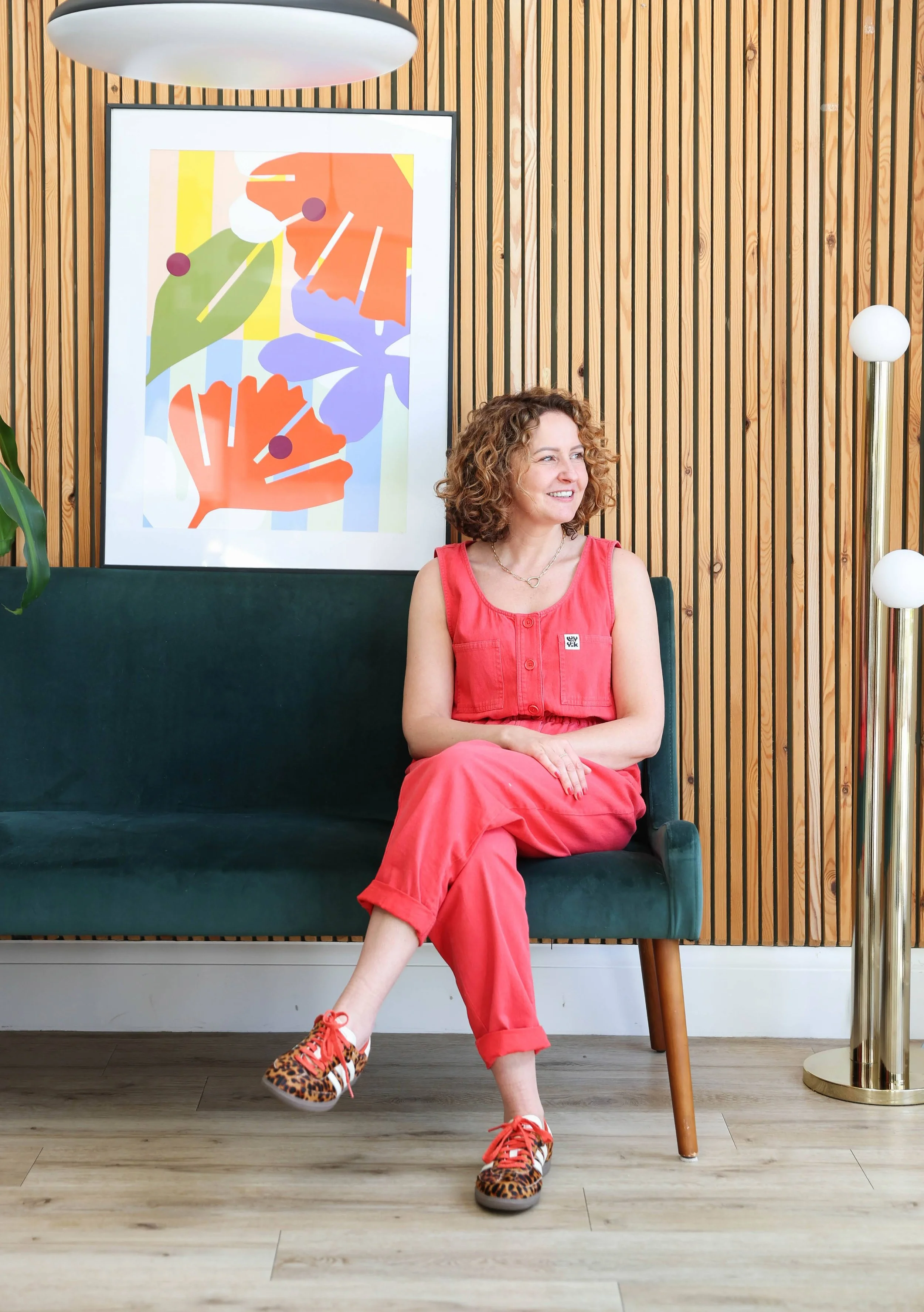
Clients often tell me they value being able to work with someone who is experienced and clinically trained, while still feeling human, warm and down-to-earth.
I’m active in sessions. I won’t simply sit silently while you talk, but I also won’t rush to give you advice or tell you what you “should” do.
We’ll make sense of things together, notice patterns, ask questions, experiment with different ways of responding and — where appropriate — use structured therapeutic approaches such as EMDR or CBT.
There can be depth, emotion and challenge, but there can also be humour.
Therapy doesn’t have to feel cold or clinical to be effective.
CONTEXT MATTERS
We won't look at your difficulties in isolation. For example, if speaking up at work feels frightening, we might explore earlier experiences that taught you disagreement was risky, while also considering how people respond when you express yourself in your current workplace.
Sometimes change involves working through old patterns. Sometimes it involves recognising what needs to change in your present circumstances. Often, both matter.
Thinking of starting therapy?
You don't need to know exactly what you need before getting in touch.
Our first few sessions are an opportunity to explore what's been happening, understand your experiences and what you'd like help with. We'll work together to identify your goals and develop a therapy plan tailored to your needs.
It's also an opportunity for us both to see whether working together feels like a good fit.
FAQ’s
-
If my website, social media content or podcast ‘spoke’ to you then it’s very likely I’ll be able to help. When you contact me, please feel free to let me know a bit about the difficulties you are experiencing.
I have many years experience working with people experiencing a range of difficulties whether that be PTSD, relational trauma, Complex trauma, ADHD masking, panic attacks, social anxiety, worry, overthinking and overwhelm, low self-esteem, low self-confidence, relationship difficulties and more.
Feel free to contact me to find out more about how I can help.
-
My training, experience and qualifications means I often work with people who have been in therapy before and not previously felt the benefit.
A lot of the people I work with describe previous episodes of therapy where they ‘get it’ but don’t ‘feel it’ and therefore nothing has really changed.
My approach is focused on identifying and targeting the root of your difficulties and factors reinforcing unhelpful patterns - by incorporating a combination of cognitive and somatic approaches.
-
Appointments usually take place Monday - Thursday from 9:30am with my latest available appointment taking place at 4:30pm. If you need an appointment on a specific day or at a specific time please mention this when you reach out.
-
Due to the nature of private practice, I’m unable to provide crisis support or respond to urgent requests. If you need emotional support as a matter of urgency please contact the Samaritans on 116 123. You can also seek support from your GP or local mental health service / crisis team. If you are concerned you may be at risk of hurting yourself and are worried you may not be able to keep yourself safe please call 999 or attend A&E.
-
The beauty of online therapy means you can access our sessions from various geographical locations Unfortunately there are some limits due to my insurance and legalities - for example, I’m unable to provide therapy sessions to people based in the USA and Canada. If you want to check we can work together please don’t hesitate to reach out via the contact form
-
Wherever you prefer - as long as you are in a comfortable and confidential place with strong internet connection and access to Zoom your setting is up to you! This is the beauty of remote therapy.
-
Therapy with me is focused on meaningful, lasting change rather than quick fixes or surface-level advice. The work is grounded in over 15 years of clinical experience and advanced training in EMDR, Schema Therapy, CBT, somatic and parts-based approaches.
Sessions are £120.
A small number of reduced-fee spaces from £95 are available to help make therapy more accessible. If cost is a barrier, you’re welcome to mention this when you enquire and I can let you know what is currently available
-
You may be able to fund sessions through private health insurance, including providers such as WPA, AXA, Aviva and Bupa, subject to your policy terms, authorisation requirements and my current availability.
If you’re planning to use insurance, please mention the name of your insurer when you enquire so I can confirm whether I’m currently able to accept referrals through your provider.
-
I’m unable to offer free telephone consultations however please do reach out via the contact form with any questions. I aim to respond within 2 working days.
CLIENT TESTIMONIALS
★★★★★
Get in touch

If you have any questions or you’d like to get in touch about my services, please fill out the contact form below and I will get back to you as soon as I can!